

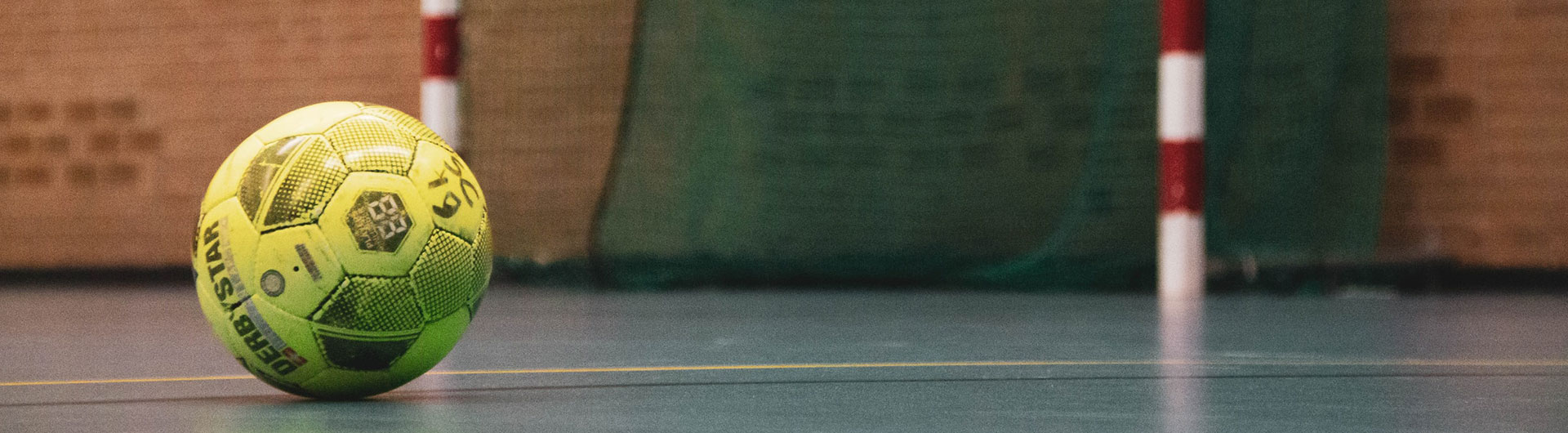
Futsal
In the evolving world of soccer officiating, training methods must adapt to meet the fast-paced and technical demands of the modern game. One of the most effective yet underutilized tools for developing well-rounded referees is futsal. Known for its intensity, speed, and tight space dynamics, futsal provides a unique environment that sharpens the core competencies required of soccer officials at all levels. Using futsal as a training tool for soccer officials is a smart, underutilized method with many practical benefits. Futsal’s fast pace, smaller playing area, and unique demands make it an excellent environment for developing key officiating skills that are directly transferable to the outdoor game.
Why Futsal?
Futsal is more than just a variation of soccer. Played on a smaller, indoor pitch with fewer players, the game demands quick thinking, precise movement, and constant decision-making. For referees, these conditions serve as a compressed learning ground that accelerates development and hones critical officiating skills.Here’s a breakdown of why and how futsal can benefit soccer referees, whether center referees or assistant referees:
1. Enhanced Decision-Making Under Pressure - The speed of futsal forces referees to make decisions in a fraction of the time compared to outdoor soccer. With more touches per minute and fewer breaks in play, officials must stay fully engaged, anticipate plays, and respond instantly to infractions. This high-frequency decision-making environment builds mental agility, helping referees become more confident and accurate in split-second situations.
- Faster pace and more touches per minute force referees to make quicker, more frequent decisions.
- Helps officials practice rapid judgment under pressure — a skill that translates to high-tempo soccer matches.
2. Refined Positioning and Movement - Futsal emphasizes proper angles and efficient movement due to the limited space and rapid pace. Referees must constantly adjust their positioning to maintain a clear view of play, especially in congested areas. This experience sharpens spatial awareness and teaches officials how to read the flow of the game — a skill that translates seamlessly to the 11-a-side format, particularly in fast transitions and penalty-area situations.
The confined space helps officials develop:
- Efficient movement patterns
- Angles of view for different play types
- Anticipation of play direction
The confined spaces encourages constant mobility, which is critical in outdoor matches.
3. Better Communication and Conflict Resolution - With players, coaches, and fans in close proximity, futsal demands clear and controlled communication. Referees must manage emotions and assert authority with limited physical distance. These high-pressure interactions offer valuable practice in verbal and non-verbal communication, player management, and calm decision delivery — all essential qualities for top-level soccer officials.
- Futsal requires closer communication with players and coaches due to proximity.
- Enhances verbal and non-verbal communication — especially important for conflict resolution and game management.
4. Improved Foul Recognition and Management - Futsal’s lower tolerance for physicality and use of accumulated fouls provide a unique learning opportunity. Referees become adept at distinguishing between trifling contact and genuine fouls, understanding player intent, and identifying patterns of misconduct. The need to manage fouls proactively helps officials develop preventive officiating strategies and stronger game management instincts.
- With futsal’s emphasis on technical skill and limited physical contact, referees gain better insight into:
- Trifling vs. careless fouls
- Persistent infringement
- Tactical fouls
- Futsal also uses accumulated fouls, teaching officials to manage player behavior proactively.
5. Agility, Fitness, and Endurance - While futsal matches require less total running than outdoor games, they demand explosive movement, quick directional changes, and short recovery times. Training in futsal helps referees build functional fitness geared toward sprinting, lateral movement, and high-intensity exertion — key aspects of soccer officiating at the highest levels.
- While futsal demands shorter sprints, it emphasizes explosive movement, change of direction, and high-intensity intervals.
- Great for developing short-burst fitness crucial for moments like breakaways and transitions in soccer.
6. VAR-Like Focus Without Technology
- No VAR in futsal means referees must rely 100% on their perception, which strengthens focus and awareness for those who may later work with or without VAR.
7. Cognitive & Psychological Development
- Futsal refereeing compresses time and space, forcing faster mental processing.
- Increases confidence and game management under intense crowd/player pressure — useful in both amateur and professional outdoor matches.
Futsal is a compressed laboratory for referee development . Futsal offers a dynamic, challenging, and practical training environment for soccer referees. It accelerates the development of core officiating competencies—decision-making, movement, foul recognition, communication, and fitness—all in a compact, controlled space. As the game of soccer becomes faster and more technical, referee training must evolve accordingly. Everything happens faster and in tighter spaces, making it ideal for honing judgment, positioning, and game control. Whether for young referees starting out or experienced ones looking to sharpen their edge, futsal is a valuable and dynamic tool that should be part of a complete officiating development program. Integrating futsal into official development pathways is not just beneficial, it’s essential.
The community of futsal officials in Massachusetts is indeed a family. There are a myriad of opportunities for growth. Instructors, assessors, assignors and veteran officials are regularly providing feedback. There are ample opportunities to work with experienced officials, which is also part of the formal training process for all new referees. Massachusetts has hosted the US Youth Futsal Northeast Regional Championships and has become a nationally recognized leader in the development of futsal officials. U.S. FIFA Futsal referees , mentors and coaches work with and train the local refs. Massachusetts has consistently provided referees to the National Futsal Championships.

Futsal Programs
Mass Futsal
Coastal Youth Futsal
Essex County Youth Futsal
Gold Star Futsal